
Introduction to Small Cattle Farm Setup Costs
Starting a small cattle farm requires careful financial planning, as the initial setup costs can vary widely depending on location, infrastructure, herd size, and your farming goals. Unlike large commercial operations, small cattle farms typically range from 5 to 50 head of cattle and often focus on sustainable or diversified farming models. Understanding the breakdown of expenses involved in establishing your farm is crucial to avoid surprises and ensure profitability.
Key Cost Categories for Setting Up a Small Cattle Farm
When evaluating the total investment needed to set up a small cattle farm, costs generally fall into the following main categories:
- Land acquisition or leasing
- Fencing and pasture development
- Water supply and irrigation
- Animal purchase
- Housing and shelter construction
- Equipment and tools
- Feed and supplements
- Veterinary and health care setup
1. Land Costs: Buying vs. Leasing
Land is arguably the biggest expense in a cattle farm setup. The amount of acreage needed depends on your herd size and grazing strategy. A general rule is 1.5 to 2 acres per cow-calf pair annually for adequate pasture in many temperate regions.
- Buying land: Prices vary dramatically based on region and land quality. In the Midwest United States, farmland can cost anywhere from $3,000 to $8,000 per acre. For a modest 20-acre plot suitable for 10-15 cows, this could mean $60,000 to $160,000 upfront.
- Leasing land: Lease rates usually run between $25 and $70 per acre annually. Leasing 20 acres might cost $500 to $1,400 per year, presenting a much lower barrier to entry but less control over the property.
Many new farmers start by leasing or partnering with landowners before investing in purchasing property.
2. Fencing and Pasture Development
Securing the perimeter and internal divisions is vital to managing cattle safely and effectively. Fencing costs vary based on the type of material and terrain.
- Barbed wire fencing: Common and affordable, costing approximately $1.50 to $3 per linear foot installed.
- High-tensile wire fencing: More durable and low maintenance, costing $2.50 to $4 per linear foot.
- Electric fencing: Often used for rotational grazing, costing $1.50 to $3 per linear foot plus charger and accessories.
For a simple 20-acre rectangular pasture (roughly 3,740 feet perimeter), fencing costs can range from $5,600 to $15,000.
Pasture improvement—such as soil testing, seeding, fertilizing, and weed control—can add $50 to $150 per acre annually.
3. Water Supply and Irrigation Systems
Cattle require a reliable and clean water source. Options include:
- Drilled well: A domestic well installation typically costs $3,000 to $8,000 depending on depth and location.
- Ponds or natural water bodies: Costs vary but may require permits and maintenance.
- Water troughs and piping: Installing troughs with plumbing can cost $500 to $2,000.
On average, budgeting $5,000 to $10,000 for a dependable water system on a small farm is prudent.

For more on this, see our related guide: How to Choose the Right Land and Acreage for Cattle Farming.
4. Purchasing Cattle: Herd Acquisition Costs
Initial animal costs depend on breed, age, and purpose (beef vs. dairy). For a small cattle farm starting with 10 cows:
- Beef cows (bred females): Prices range between $1,000 and $1,800 each. Ten cows could cost $10,000 to $18,000.
- Replacement heifers: Slightly less expensive at $800 to $1,200 per head.
- Calves or steers: Typically cheaper but require additional time before breeding or selling.
Additional costs include purchasing bulls ($3,000 to $5,000), if breeding on-site, or paying for artificial insemination services ($15-$30 per straw).
5. Housing and Shelter Construction
Proper shelter protects cattle from extreme weather and helps with health management. Facilities can range from simple shade structures to enclosed barns.
- Basic pole barns or run-in sheds: Cost about $10 to $20 per square foot to build. A 30×40-foot barn could cost $12,000 to $24,000.
- Fencing with shade cloth or trees: An economical alternative, though less protective.
Depending on your climate and budget, the investment in housing may be adjusted, but budgeting $10,000 to $25,000 is typical for a small operation.
6. Equipment and Tools
Essential equipment includes feeders, water troughs, handling facilities, and machinery for hay and feed management.
- Feeding equipment: $500 to $2,000 for feeders, hay racks, and water tubs.
- Handling and sorting facilities: Chutes, head gates, and pens can cost $2,000 to $6,000.
- Farm machinery: A used utility ATV or tractor may cost anywhere from $5,000 to $20,000 depending on condition and capabilities.
Altogether, expect $7,000 to $25,000 for the necessary tools and equipment for a small farm.
7. Feed and Supplements
While pasture grazing is the primary feed source, supplemental feeding is required, especially in winter or dry seasons.
If you’re also looking into this, our article on What It Takes to Start a Small Cattle Farm: Essential Costs and Considerations covers it in more detail.
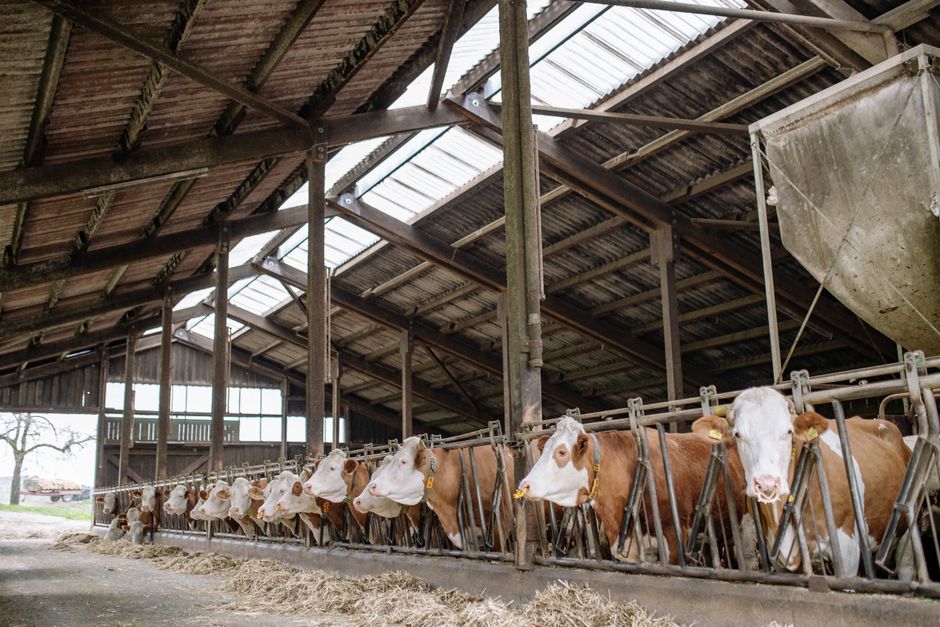
- Hay: $100 to $150 per ton, with a cow consuming roughly 2.5% of its body weight daily. For 10 cows, this can mean 10-12 tons annually, costing $1,000 to $1,800.
- Grain and concentrates: Optional and variable, budget $300 to $1,000 per year depending on feeding strategy.
- Mineral supplements: $100 to $200 annually.
8. Veterinary and Health Care Setup
Maintaining herd health requires initial vaccinations, deworming, pregnancy testing, and potential emergency care.
- Initial vaccinations and health checkups: Around $30 to $50 per head, or $300 to $500 for 10 cattle.
- Routine vet visits and medicines: Budget $500 to $1,000 annually.
Summary: Estimated Initial Setup Costs for a 10-Head Small Cattle Farm
| Cost Category | Low Estimate | High Estimate | Notes |
|---|---|---|---|
| Land (20 acres, lease) | $500 | $1,400 | Annual lease cost included for comparison |
| Fencing and pasture | $5,600 | $15,000 | Includes fencing, pasture prep |
| Water system | $5,000 | $10,000 | Well and troughs installation |
| Cattle purchase | $10,000 | $18,000 | 10 bred cows |
| Shelter | $10,000 | $25,000 | Basic barn or shed |
| Equipment and tools | $7,000 | $25,000 | Feeders, handling facility, machinery |
| Feed and supplements (annual) | $1,400 | $3,000 | Hay, grain, minerals |
| Veterinary care (initial and first year) | $800 | $1,500 | Vaccines, routine care |
Total Estimated Initial Setup Cost: $40,300 to $98,900 (excluding land purchase)
Note: Purchasing land outright can add $60,000 to $160,000 or more to upfront costs.
Additional Cost Considerations
Labor
Many small farms rely on family labor, but if hiring help, costs must be factored in.
Insurance and Permits
Farm insurance and any necessary local permits or zoning compliance can add several hundred to a few thousand dollars annually.
Unexpected Expenses
Equipment repairs, animal health emergencies, and market fluctuations should be anticipated with a contingency fund of at least 10% of your budget.
Strategies to Reduce Startup Costs
- Start with leased land and expand gradually.
- Buy used equipment and fence materials.
- Purchase younger animals and raise them yourself.
- Utilize natural water sources where feasible.
- Build shelters incrementally rather than all at once.
Conclusion
Setting up a small cattle farm is a significant investment with many variables influencing the total cost. Expect to spend at least $40,000 to $100,000 in initial expenses excluding land purchase, depending on your location, herd size, and infrastructure choices. Careful planning, budgeting, and phased investment can make starting a cattle farm more manageable and increase your chances of a successful operation.